A Ski day can move through bright sun, flat light, blowing snow, and changing visibility within a few hours. That makes lens interchangeability more than a convenience; it becomes a question of how quickly the optical setup can adapt without disturbing the fit around the face.
Magnetic snow goggles approach this problem through a removable lens interface, while clip-on designs rely on a different attachment principle. At YIJIA Optical, we view the distinction as a matter of optical performance, mechanical design, handling, and user habits rather than simply treating one system as universally superior.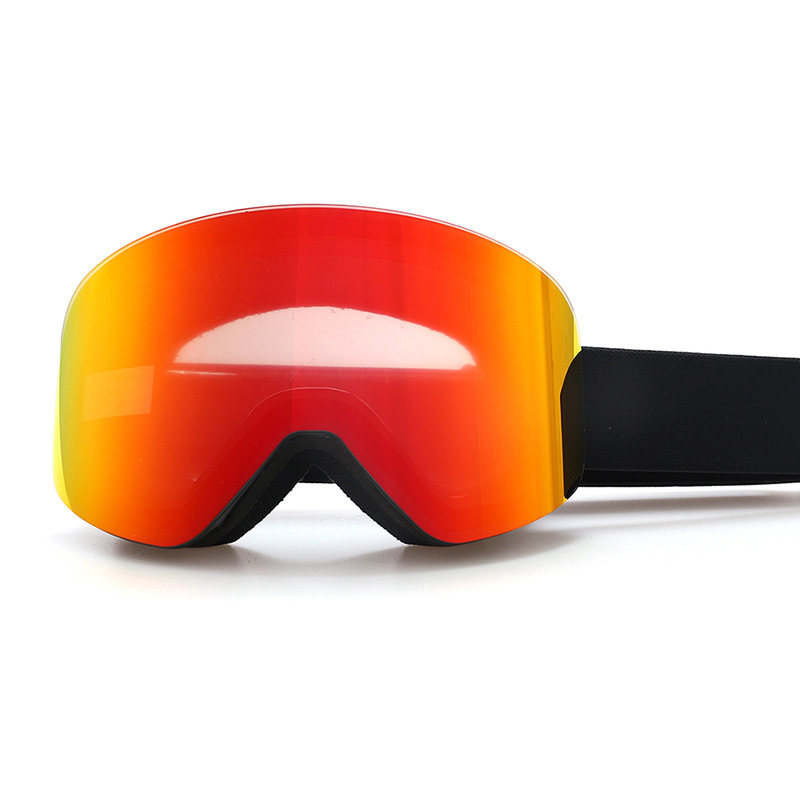
The most obvious difference lies in how the lens connects to the goggle frame. A magnetic system uses embedded magnets or magnetic contact points to hold a removable lens in position. Clip-on designs instead depend on physical clips, tabs, hooks, or similar retention features. Both concepts can work effectively, but their mechanical behavior is different.
A removable magnetic lens can usually be detached without applying force directly to small locking tabs. This can make lens changes more straightforward when wearing gloves, particularly if conditions shift rapidly during a day on the mountain. Clip mechanisms may provide strong mechanical retention, yet repeated handling can place stress on the small components that secure the lens.
The attachment method also influences the way manufacturers approach frame geometry. A magnetic interface needs accurately positioned contact areas, while a clip-based design requires compatible engagement points between the lens and frame. These details matter because optical alignment should remain stable after the lens has been removed and installed again.
Interchangeability alone does not determine whether a goggle performs well. Lens material, curvature, optical clarity, anti-fog treatment, ventilation, facial sealing, and impact resistance all contribute to the overall experience. A sophisticated attachment system cannot compensate for weak optical or mechanical characteristics elsewhere. In Europe and many other markets, EN ISO 18527-1 provides the unified standard for downhill skiing and snowboarding goggles, covering impact resistance, UV protection, and optical performance.
Lens curvature deserves particular attention. Cylindrical and spherical designs distribute curvature differently across the field of view, affecting peripheral vision and the overall visual geometry. Lens options can also target different weather conditions, with high-contrast designs helping users distinguish terrain features under flatter light while darker options suit brighter environments.
Another practical factor is compatibility with other equipment. A goggle may need to work with helmets, face masks, or prescription eyewear without creating uncomfortable pressure points. OTG compatibility is particularly relevant for users who wear glasses, while soft facial foam and a stable strap influence how consistently the goggle remains positioned during movement.
A magnetic interface can shorten the physical steps required for changing lenses. Instead of working through several clips around the perimeter, the user can separate the lens from its magnetic contact points and install another compatible lens. That distinction becomes useful when visibility changes during a long outing and there is little time to spend adjusting equipment.
Modern magnetic snow goggles can also support multiple lens configurations. Polycarbonate, polarized, photochromic, and high-contrast options each address different visual requirements. The important consideration is not simply having more choices, but matching the lens characteristics to expected light, terrain, and personal visual needs.
At YIJIA Optical, our YH693 uses a cylindrical lens design with interchangeable magnetic lenses, UV400 protection, anti-scratch, anti-fog, anti-glare, and high-impact resistance functions. Its flexible TPU frame, high-density foam options, soft nose guard, elastic anti-slip strap, and OTG compatibility illustrate how lens interchangeability can exist alongside other fit and protection considerations.
Customization introduces another layer to the comparison. A manufacturer may modify the frame material, lens specification, color, strap, logo, packaging, or other components depending on the project. Such flexibility matters because different markets can have different expectations for appearance, lens performance, prescription compatibility, and intended use.
The phrase best custom Ski goggles should not be interpreted as one fixed specification that suits every project. A wholesale program for resort rentals may prioritize durability and straightforward maintenance, whereas a premium sports collection may place greater emphasis on lens options, aesthetics, and interchangeable configurations.
For an OEM or ODM project, the attachment mechanism should also be considered alongside production requirements. Magnetic components need consistent positioning, while clip systems require accurate molding around the engagement points. Sampling should examine lens installation, removal, frame fit, optical alignment, and repeated use rather than judging the design only from appearance.
The right comparison begins with the conditions in which the goggles will actually be used. Riders who frequently encounter changing weather may value fast lens replacement, while those who normally Ski under stable conditions may place greater weight on optical characteristics and overall fit.
A useful evaluation also includes handling under realistic conditions. Try changing the lens with gloves on, check whether the frame remains comfortable after extended wear, and examine how securely the lens stays positioned during movement. These simple tests reveal practical differences that product descriptions cannot always communicate.
For customized collections, best custom Ski goggles are better understood through a combination of intended market, lens configuration, frame construction, fit requirements, and manufacturing specifications. The attachment system is one part of that decision, not the entire product.
Neither magnetic nor clip-on lenses can be called universally superior without considering how the goggle will be used. Magnetic systems offer a convenient approach to lens interchangeability, while clip-based designs rely on established mechanical retention methods. What matters is whether the complete construction delivers the required optical performance, fit, durability, and ease of handling.
At YIJIA Optical, we approach magnetic snow goggles and customized designs by examining these factors together, helping each project define the combination that fits its intended use. A thoughtful specification process gives best custom Ski goggles a more meaningful definition: not a universal winner, but a configuration developed around real requirements.

