Cold air, body heat, moisture, and rapidly changing weather create a demanding optical environment on the mountain. A lens that performs well in a shop may behave differently after hours of riding, especially when temperature and humidity shift throughout the day.
High performance Ski goggles are often associated with sophisticated lens construction, but the real question is what a second lens layer changes and whether that benefit matters for a particular rider. At YIJIA Optical, we look at this issue through thermal behavior, visibility, ventilation, and practical use rather than treating lens construction as a specification that speaks for itself.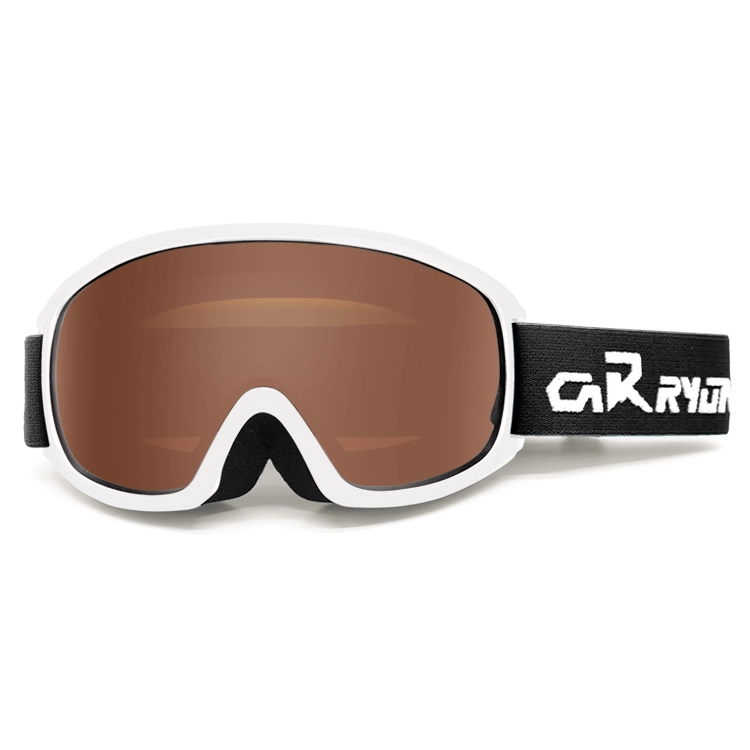
A double-lens goggle contains two separate lens surfaces with an air space between them. That enclosed layer acts as a thermal buffer between the cold environment outside and the warmer, more humid air around the face. The temperature difference across the optical assembly can be moderated, which is important because condensation develops when moisture reaches a sufficiently cool surface.
Single-lens construction places one optical surface directly between the rider and the surrounding environment. It can be suitable for certain conditions, particularly where temperature differences are modest or use is relatively brief. However, the exposed lens has less separation from the warm air generated inside the goggle.
The distinction becomes more noticeable during active riding. Breathing, facial heat, and snow contacting the outer surface all contribute to the environment around the lens. A second layer does not make fogging physically impossible, but it changes the thermal conditions under which condensation occurs.
Fog formation depends heavily on temperature, humidity, and airflow. Warm air can hold more moisture than cold air. Once that moisture encounters a sufficiently cold optical surface, water vapor can condense into tiny droplets that scatter light and reduce visual clarity.
Double-lens construction helps by keeping the inner lens warmer than the exposed outer lens. The enclosed air space reduces direct thermal exchange, giving the inner surface a more stable environment. Anti-fog coatings and ventilation still matter because the lens structure works as part of a larger moisture-management design. Whether riders choose single or double-lens configurations, the finished goggle should be assessed against the optical and impact requirements of EN ISO 18527-1.
This relationship explains why UV Ski goggles should not be evaluated only by their ultraviolet protection. UV400 protection addresses exposure to ultraviolet radiation, while lens construction, anti-fog treatment, airflow, and optical design address other aspects of visual performance. These functions solve different problems and should be assessed separately.
A second lens layer has clear thermal advantages, but it cannot compensate for poor airflow or an unsuitable fit. If warm, moisture-rich air becomes trapped inside the goggle, condensation may still develop. Ventilation openings, facial foam, helmet compatibility, and the position of the goggle all influence internal air movement.
The seal around the face also affects the microclimate inside the eyewear. Excessive gaps can allow cold air to enter rapidly, while restricted airflow may allow humidity to accumulate. The goal is not simply to close the space as tightly as possible; the internal environment needs controlled air exchange.
Lens care is another variable. Touching the inner surface with gloves, wiping away moisture with unsuitable materials, or damaging the anti-fog surface can reduce its intended performance. Even sophisticated high performance Ski goggles require appropriate handling if the optical surface is expected to remain clear over repeated use.
Our YH855 Anti-fog Unisex Snowboard Goggles Glasses uses a cylindrical lens design and double-layer lens construction, with lens options including PC, polarized, photochromic, and high-contrast versions. The model also combines UV400 protection, anti-fog, anti-scratch, anti-glare, and high-impact resistance with a flexible TPU frame, high-density foam options, a soft nose guard, an elastic anti-slip strap, and OTG compatibility.
These specifications illustrate an important point: lens layering is only one component of the optical package. The surrounding frame and foam influence how the goggle sits against the face, while the selected lens material and optical treatment affect how the eyewear responds to different riding environments.
For users who wear prescription glasses, OTG compatibility introduces another consideration because the internal space must accommodate the additional eyewear without creating excessive pressure. A technically sophisticated lens can still feel unsuitable if the overall geometry does not match the rider's face or helmet.
Not every snow activity demands the same level of thermal separation. Short sessions, relatively mild conditions, or environments with limited temperature variation may place less stress on a single-lens design. The decision should reflect duration, climate, activity intensity, and how frequently the rider encounters fogging.
A single lens can also offer a simpler construction with fewer components between the eyes and the outside environment. That does not automatically make it inferior; it simply means the optical system handles temperature differences differently. Riders should consider actual usage rather than selecting specifications based solely on the number of lens layers.
The same principle applies to UV Ski goggles. Ultraviolet protection remains relevant under snow and bright mountain conditions, but UV protection should be considered alongside optical clarity, lens tint, anti-fog performance, impact resistance, and fit. No individual feature describes the entire goggle.
Double-lens construction has a specific technical purpose: it creates a thermal barrier that can help moderate the inner lens temperature and reduce conditions that favor condensation. It does not replace ventilation, anti-fog treatment, proper fit, or careful maintenance, and a single lens can remain practical in less demanding environments.
From our perspective at YIJIA Optical, understanding how these elements interact makes the specification process more useful than focusing on one feature alone. A well-matched high performance Ski goggles configuration should reflect real riding conditions, while UV Ski goggles should be assessed through their complete optical and protective characteristics rather than UV protection alone.
