Training exposes eyes to varied hazards. Indoor drills may involve flying particles, while outdoor exercises add wind and dust. Safety glasses and tactical goggles address these conditions differently, so selecting eyewear by appearance alone can create problems.
For clubs, training centers, and procurement teams, the practical question is which design matches the activity. Compare coverage, fit, ventilation, and verified impact performance against actual hazards.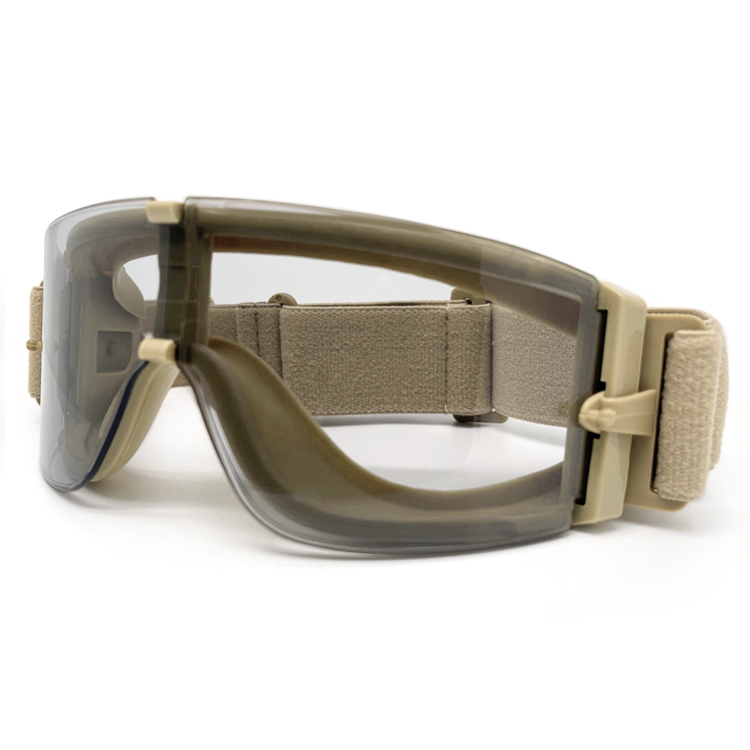
Safety glasses generally use open frames with lenses positioned in front of the eyes. Side shields can provide additional coverage, but gaps often remain around the brow and cheeks. This can suit tasks prioritizing ventilation and quick removal.
Tactical goggles typically sit closer to the face and use a wider frame or seal. Their wraparound structure can reduce entry points for wind and dust. Yet close fit does not establish protection against high-speed projectiles.
During field exercises, Tactical Safety Goggles may suit situations where airborne debris comes from several directions. Buyers should examine frame shape, side coverage, and fit before choosing goggles.
Classroom instruction and equipment demonstrations may require only basic eye coverage, depending on the task. Workshops involving cutting, drilling, or impact tools need a more specific hazard assessment. Workplace rules and tested protection levels guide selection.
Outdoor drills introduce different concerns. Dust kicked up by vehicles, branches, and sudden gusts can reach the eyes from the sides. Goggles can offer more enclosed coverage, but users still need adequate visibility and airflow when moving quickly.
Live-fire or projectile-based training requires particular care. Marketing terms such as “ballistic” do not replace documented test results. Request the applicable standard, test report, and model identification first.
Clear vision helps trainees follow instructions, notice obstacles, and judge distances. Buyers should check for visible distortion, uneven tint, and reflections that interfere with recognition. High-definition claims require evaluation under realistic lighting.
UV400 describes protection against ultraviolet light up to a stated wavelength, not resistance to impacts. Anti-scratch treatments address surface wear, while anti-fog features help control condensation. Each property should be checked separately rather than treated as one overall quality rating.
When comparing wholesale safety glasses with enclosed goggles, ask suppliers for lens material information and relevant optical test records. Assess samples while walking, bending, and looking sideways.
Eyewear that shifts during movement can interrupt training. Safety glasses rely mainly on their arms and nose contact points. Goggles often add a strap, distributing retention around the head but introducing possible pressure or interference with other equipment.
Helmet compatibility should be checked with the actual helmet models used by the organization. Inspect temple clearance, strap routing, and stability during head movements. A compatible shape on paper may still feel uncomfortable.
Fogging also matters during cold-weather drills and strenuous activity. Moisture from breathing and perspiration can collect on lenses. Ventilation and anti-fog treatments may help, but performance should be reviewed during representative sessions, not inferred from a product label.
At YIJIA Optical, we offer the RK5 model with reinforced HD polycarbonate lenses and a TPR + PC frame. Its stated features include UV400, anti-fog and anti-scratch functions, impact resistance, and helmet compatibility.
The model is offered in military green, black, and khaki. We describe its frame as flexible and suitable for movement during training. Still, purchasers should confirm the required impact classification through applicable documentation before using it in activities with defined projectile risks.
For OEM orders, color and material preferences should be recorded alongside functional requirements. Design changes can affect fit or testing needs, so the final approved sample must correspond to the version being manufactured. Tactical Safety Goggles should be evaluated as complete assemblies, not through lens specifications alone.
Start with a written hazard list for each training activity. Record whether users face dust, incidental particles, chemical splashes, or projectiles. These risks call for different protective equipment, and one style should not be assumed suitable for all conditions.
Then compare samples using a consistent checklist: field of view, fit range, helmet interference, fogging, cleaning instructions, and test documentation. When sourcing wholesale safety glasses, ask whether the quoted product matches the inspected sample and which changes require renewed approval.
Production consistency matters as well. Keep a record of approved samples so receiving teams can compare later shipments with the agreed design and packaging requirements. We recommend documenting lens color, frame dimensions, strap details, and packaging before orders proceed. Our team at YIJIA Optical can discuss OEM requirements, while buyers verify standards and suitability for their programs.
Safety glasses may be appropriate for less enclosed hazards where the task and applicable requirements permit them. Tactical goggles become worth considering when wind, dust, and moving debris call for closer facial coverage. Neither category should be selected solely from its product name.
For a sound purchasing decision, match the hazard assessment with sample trials and verified reports. Compare Tactical Safety Goggles and wholesale safety glasses using the same use-case checklist, then approve only the configuration that meets the documented training requirements.
