Water changes the way sunlight reaches the eyes. Reflections from the surface can produce intense glare, while bright skies and long hours outdoors add another layer of visual strain. Polarized fishing sunglasses are designed around these conditions, but their usefulness comes from more than polarization alone.
UV protection, lens material, frame stability, and optical coverage all influence how suitable a pair can be for time spent beside or on the water. At YIJIA Optical, we consider these factors together because outdoor eyewear needs to respond to the environment as well as the activity itself.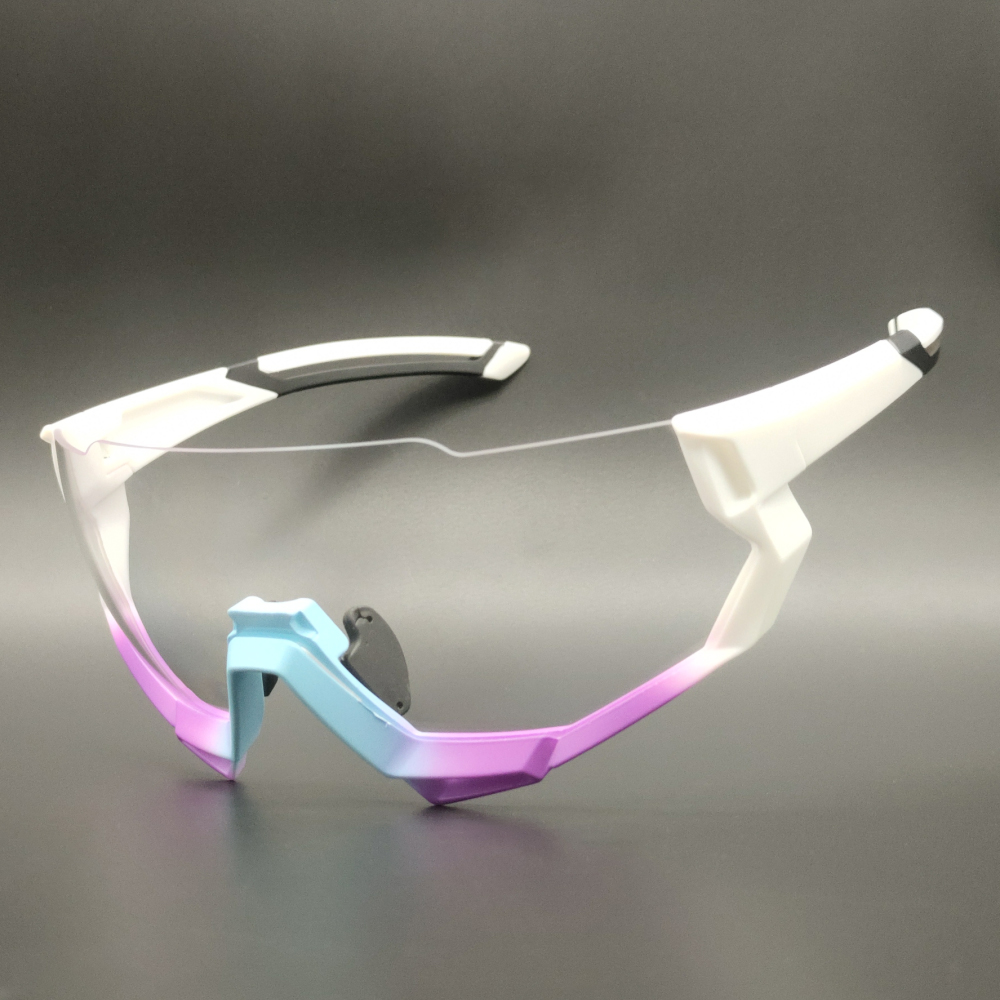
A calm lake, river, or ocean can reflect a substantial amount of visible light toward the observer. Unlike direct sunlight from the sky, reflected brightness can arrive from a lower angle and become particularly noticeable as the viewing direction changes.
Polarization is relevant because it can filter certain horizontally oriented reflected light. Polarized fishing sunglasses may make bright water surfaces more comfortable to look across, especially during sunny conditions. The effect does not mean every reflected surface disappears, nor does it replace the need for appropriate ultraviolet protection.
The surrounding environment matters too. Open water offers little natural shade, leaving the eyes exposed to bright conditions for extended periods. A person fishing for several hours may experience very different visual demands from someone who only spends a few minutes outdoors, which makes lens characteristics worth considering as part of overall comfort.
These two lens functions are often discussed together, although they address different problems. Polarization primarily concerns reflected glare, whereas UV protection relates to ultraviolet radiation reaching the eyes. A lens can be polarized without using that fact alone to describe its complete protection profile.
Polarized baseball sunglasses can provide a useful comparison because baseball players also spend long periods under open skies and may encounter glare from grass, dirt, stadium surfaces, or surrounding structures. Their visual task differs from fishing, but the optical principle behind glare reduction remains relevant. For any outdoor activity involving potential flying debris or hooks, an ANSI Z87.1 rating provides a recognized baseline for high-velocity impact protection.
Lens tint introduces another variable. Darker lenses reduce the amount of visible light reaching the eyes, yet darkness by itself does not indicate the level of UV protection. Different environments may also call for different light-transmission characteristics, so a suitable lens should be assessed according to the conditions in which it will actually be used.
Fishing often involves hours of relatively steady activity followed by sudden movements. Casting, walking along uneven banks, adjusting equipment, or turning toward another part of the water can all cause eyewear to shift if the frame does not sit securely.
Our JN006 sports sunglasses use a TR90 frame with polarized lenses and UV400 protection. The model is designed for OEM projects and supports custom logo services, with an MOQ of 300 pieces. Its specifications illustrate a straightforward sports-eyewear approach in which lightweight frame material is paired with two important lens functions for outdoor use.
Frame fit remains highly individual. A pair that feels comfortable on a short outing may become noticeable after several hours, particularly if the temples or nose area create concentrated pressure. Stability, weight distribution, and facial contact points all influence whether eyewear remains comfortable over time.
Fishing and baseball appear unrelated from a sporting perspective, yet both can involve prolonged exposure to changing outdoor brightness. Players may track a moving ball, while anglers may alternate between watching the water, examining equipment, and looking toward distant points on the surface.
Polarized baseball sunglasses may emphasize visual tracking and broad outdoor coverage, while fishing eyewear often needs to handle strong reflections from water. The common factor is the need to maintain useful vision without allowing excessive brightness to dominate the visual field.
The surrounding background can also affect perception. A bright sky, dark shoreline, reflective water, and moving objects may appear within the same field of view. Lens color and transmission can influence how comfortably these contrasts are perceived, so polarization should not be considered in isolation.
Not every fishing trip requires the same eyewear configuration. Cloud cover, time of day, water conditions, and the amount of time spent outdoors can all change the visual environment. A short evening session may place different demands on the eyes than a full day under intense sunlight.
For anglers who regularly fish in bright conditions, polarized fishing sunglasses can be worth considering because glare from the water may remain a persistent source of visual discomfort. Those who fish mainly at dawn, dusk, or under heavy cloud may instead pay closer attention to visible-light transmission and lens tint.
The same reasoning applies to other outdoor activities. Polarized baseball sunglasses may suit bright field conditions, while different lens specifications can be more appropriate for low-light environments. At YIJIA Optical, we evaluate sports eyewear according to the relationship between lens function, frame construction, and the conditions surrounding the wearer rather than treating one specification as suitable for every situation.
Water changes the visual environment in a way that ordinary everyday sunglasses may not fully address, particularly under strong sunlight and reflective conditions. Polarization can reduce certain forms of glare, while UV protection, lens transmission, frame fit, and weight contribute to the broader wearing experience.
We at YIJIA Optical approach outdoor eyewear with these distinctions in mind, and polarized fishing sunglasses remain one practical option for anglers who regularly face bright reflections. The right pair ultimately depends on the water, weather, time of day, and duration of use rather than the activity label alone.

